


AI background removal workspace

Video Background Remover for Clean Motion Cutouts

Use a video background remover to isolate a moving subject, challenge difficult edges, and prepare a clean result for a new scene or another editing timeline.

Free short-clip processingPremium transparent outputCustom image backgrounds

Background

Explore the toolkit

All Tools

Jump straight into a focused workspace for removing distractions, replacing backgrounds, or improving video quality.

Plan Every Cut With a Video Background Remover

Treat the result as moving footage rather than a single perfect frame: test the hardest seconds, inspect continuity, and keep the next edit in mind.

Before
After

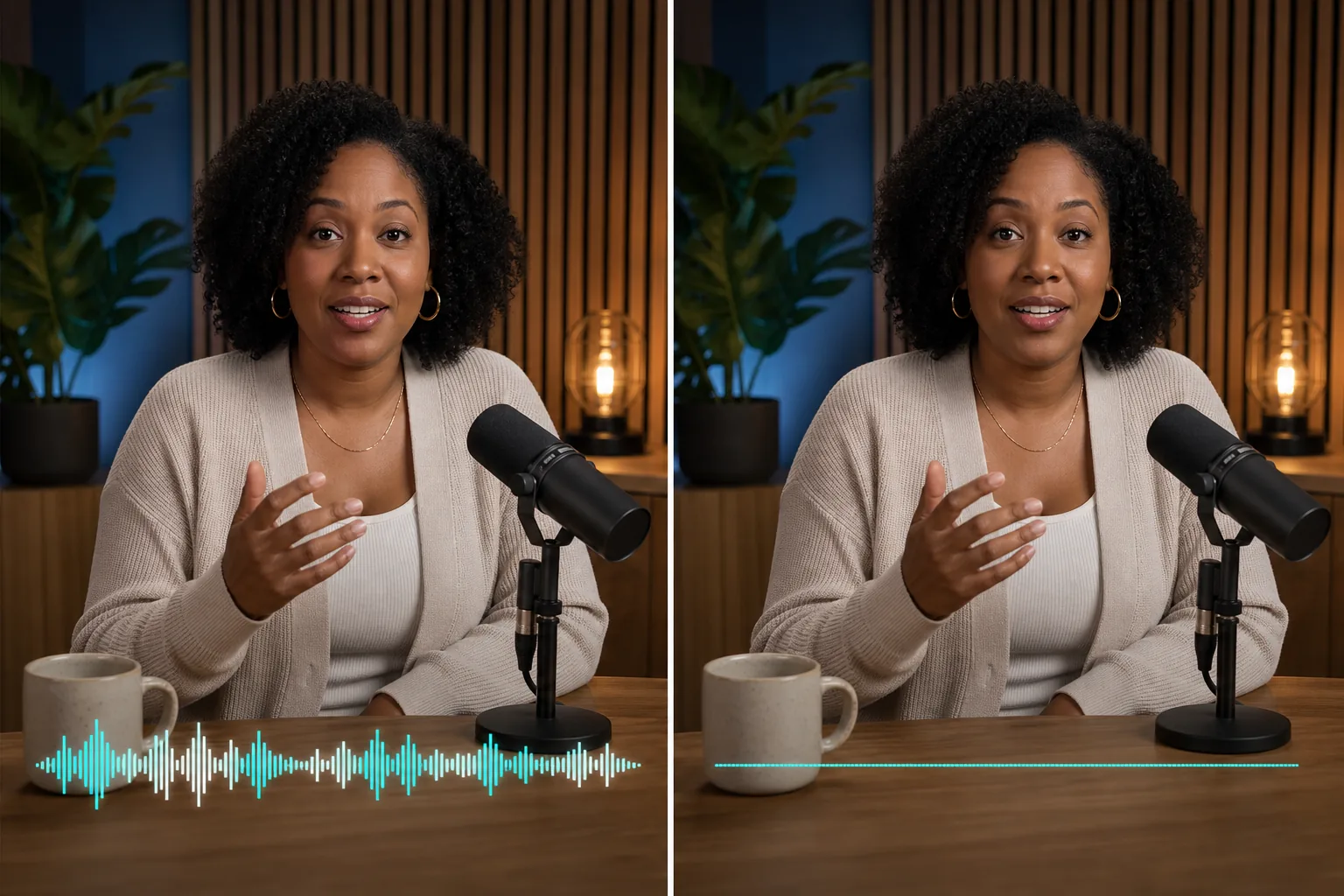
Reframe a Lesson Without Reshooting the Room

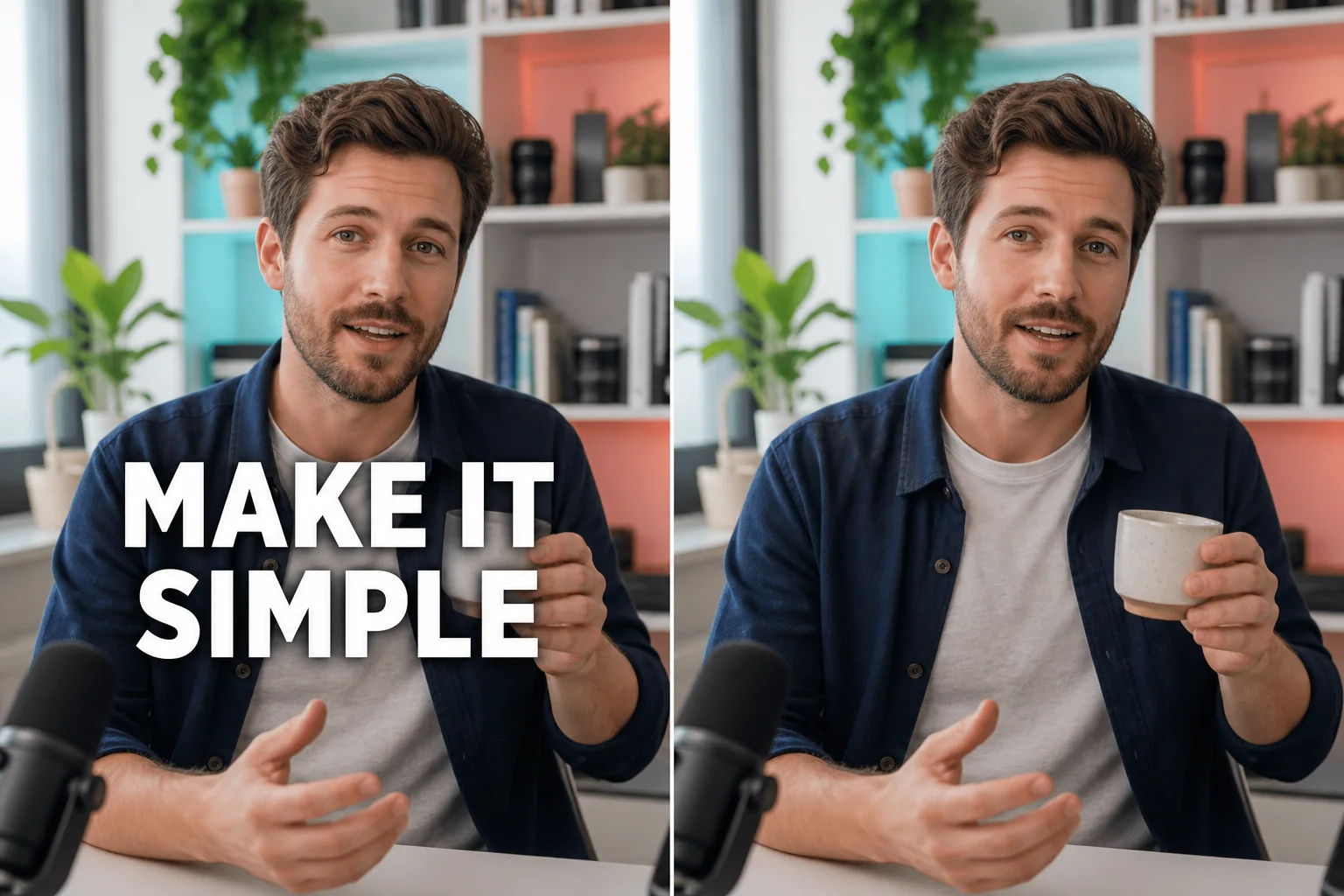
A tutorial, product walkthrough, or remote lesson may need to fit a branded deck long after recording ends. The video background remover can separate the presenter while preserving gestures, props, and the original framing. When you remove background from video lessons, inspect pauses, turns, and hand movement before placing the speaker beside diagrams, captions, or a quieter virtual set.

Before
After

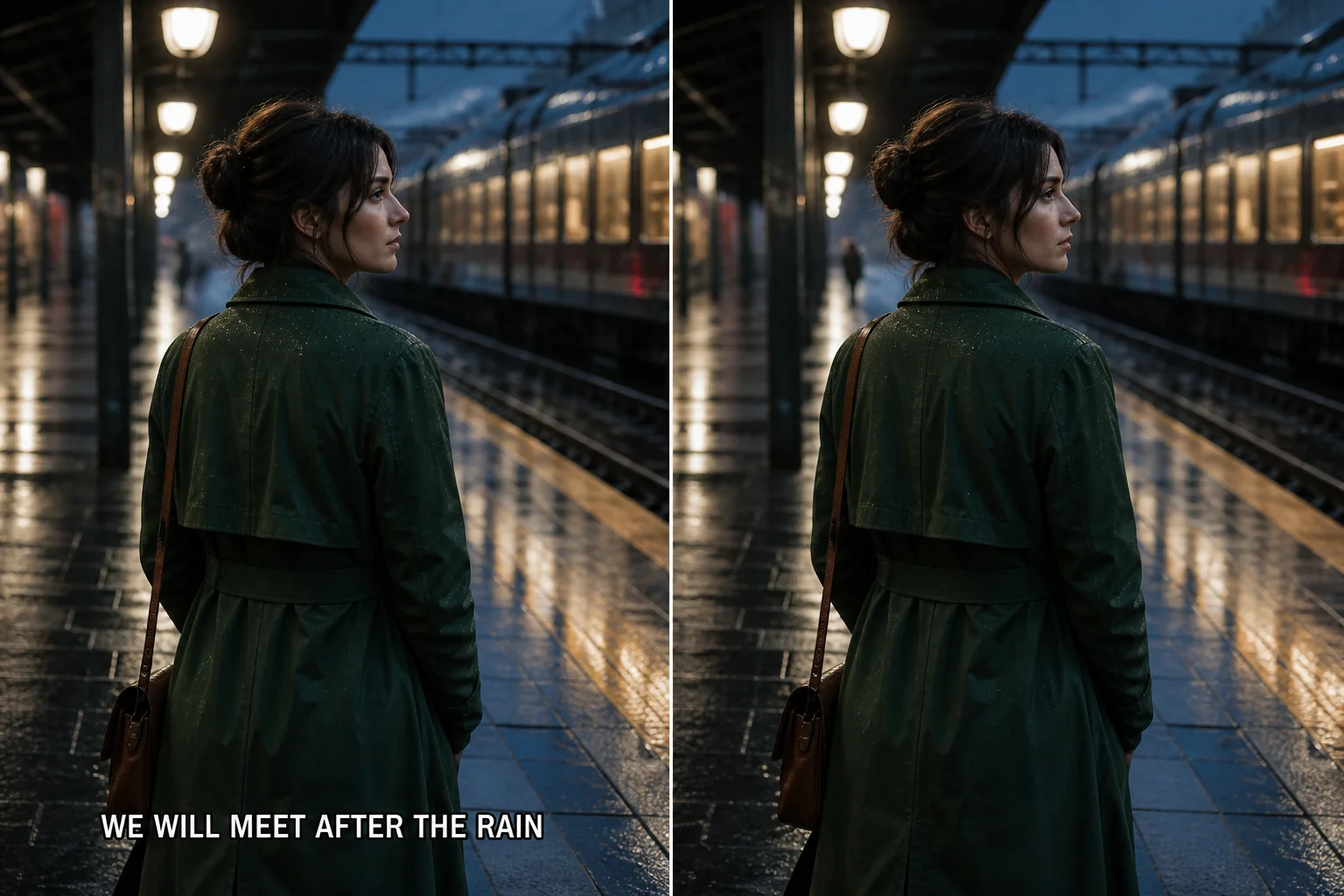
Probe the Hardest Motion Before a Long Export

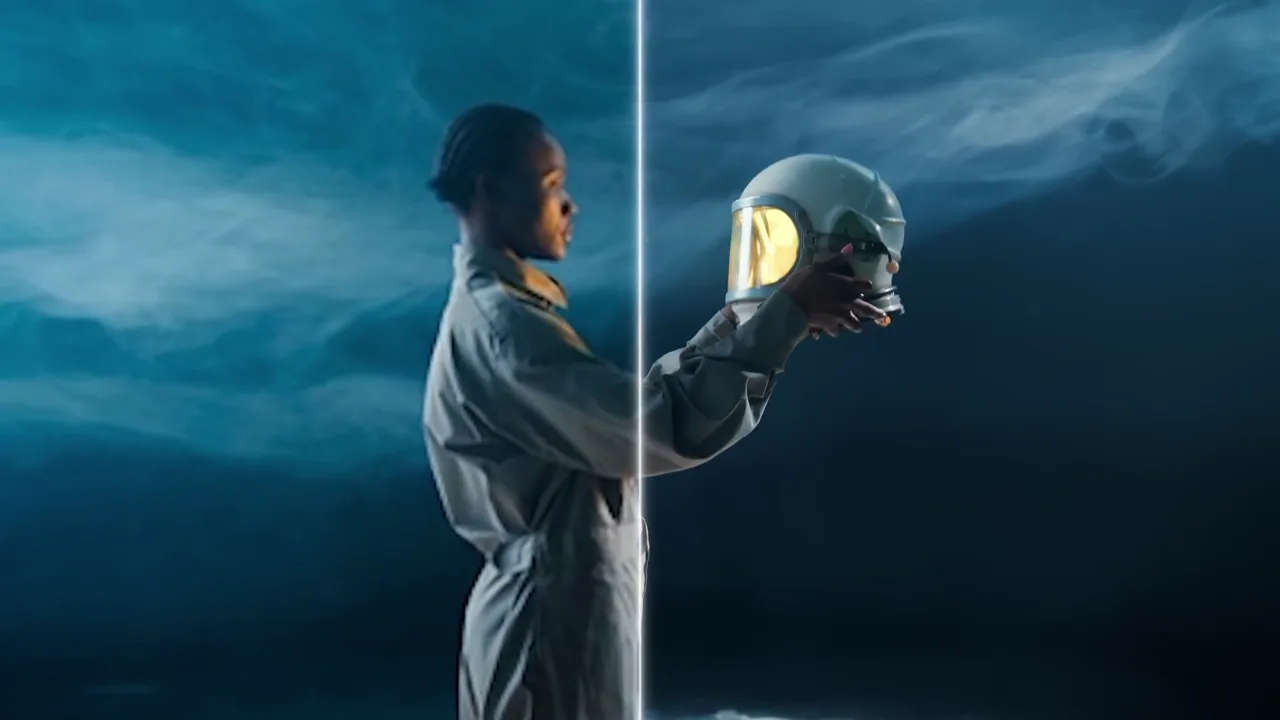
Fast sleeves, loose hair, spinning objects, shadows, and camera movement reveal problems that a poster frame hides. Use the video background remover on a demanding sample before committing to a longer job. A short remove background video check can expose flicker, clipped detail, and unstable fragments while there is still time to choose a clearer source or a more suitable backdrop.

Before
After

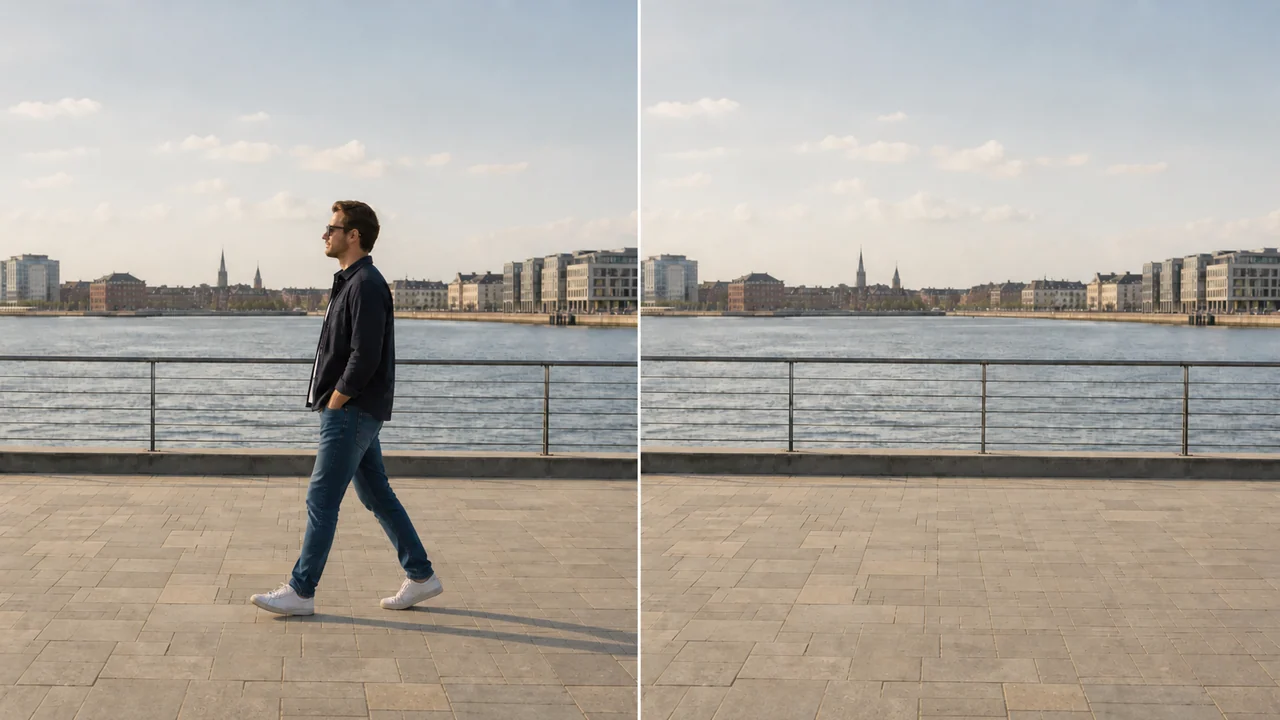
Deliver a Subject That Can Move Between Layouts

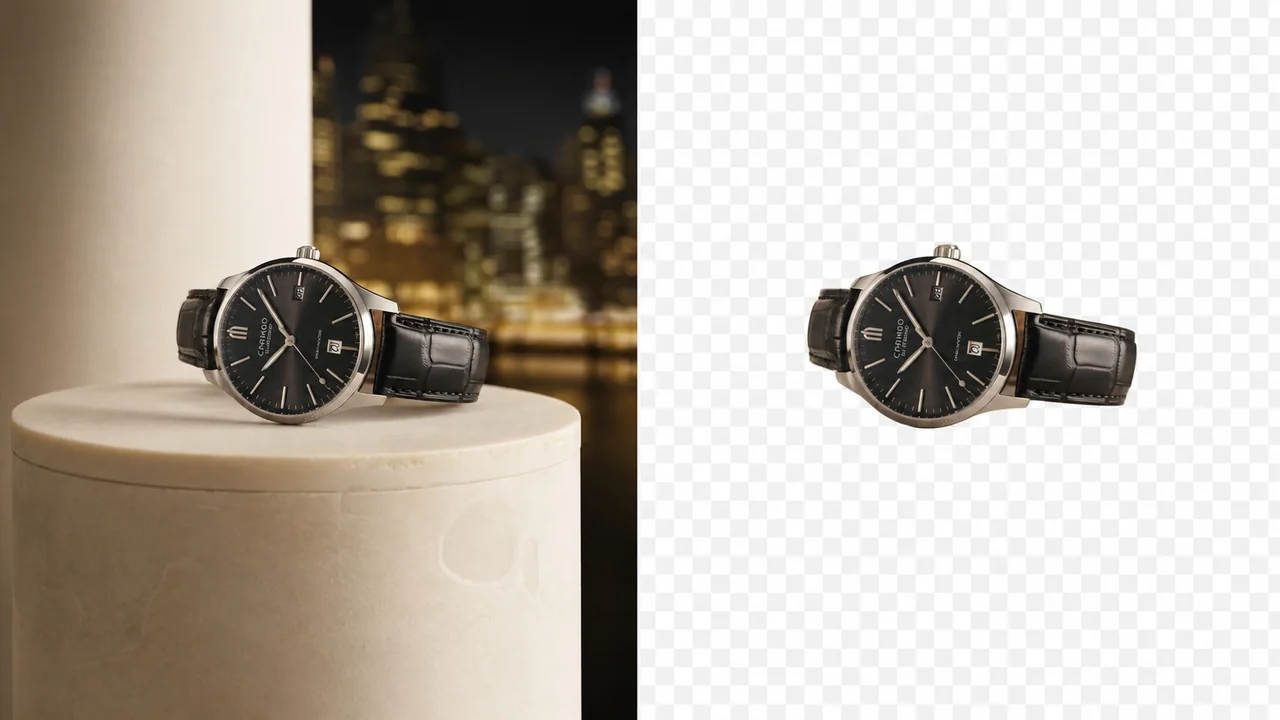
Campaign sizes, presentation frames, and editor timelines rarely share one final composition. Run the video background remover with the handoff in mind, then remove background from video footage before typography or scene design becomes permanent. A reviewed remove background video result gives the next editor room to reposition the subject, change the setting, and build several outputs from one approved performance.

What to Check Around the Video Background Remover

Cutting out a moving subject is one stage in a larger editing decision: choose a revealing source, test moving boundaries, and match the output to the destination instead of judging one paused image.

Test the Difficult Seconds First

Choose a representative section before you remove background from video files at full length. Include the fastest gesture, thinnest edge, strongest shadow, or biggest camera move so the test reflects the real challenge rather than an easy opening frame.

Judge Continuity, Not a Poster Frame

Play the video background remover result at normal speed and watch for edge shimmer, missing detail, and pieces of the old scene that appear for only a moment. A remove background video preview is useful because motion exposes faults that disappear when playback is paused.

Choose an Output for the Next Editor

Decide whether the next step needs a composed replacement or a portable subject layer before you remove background from video. A finished backdrop is convenient for direct publishing, while transparency leaves placement, graphics, and scene design open for later work.

Match Replacement Geometry

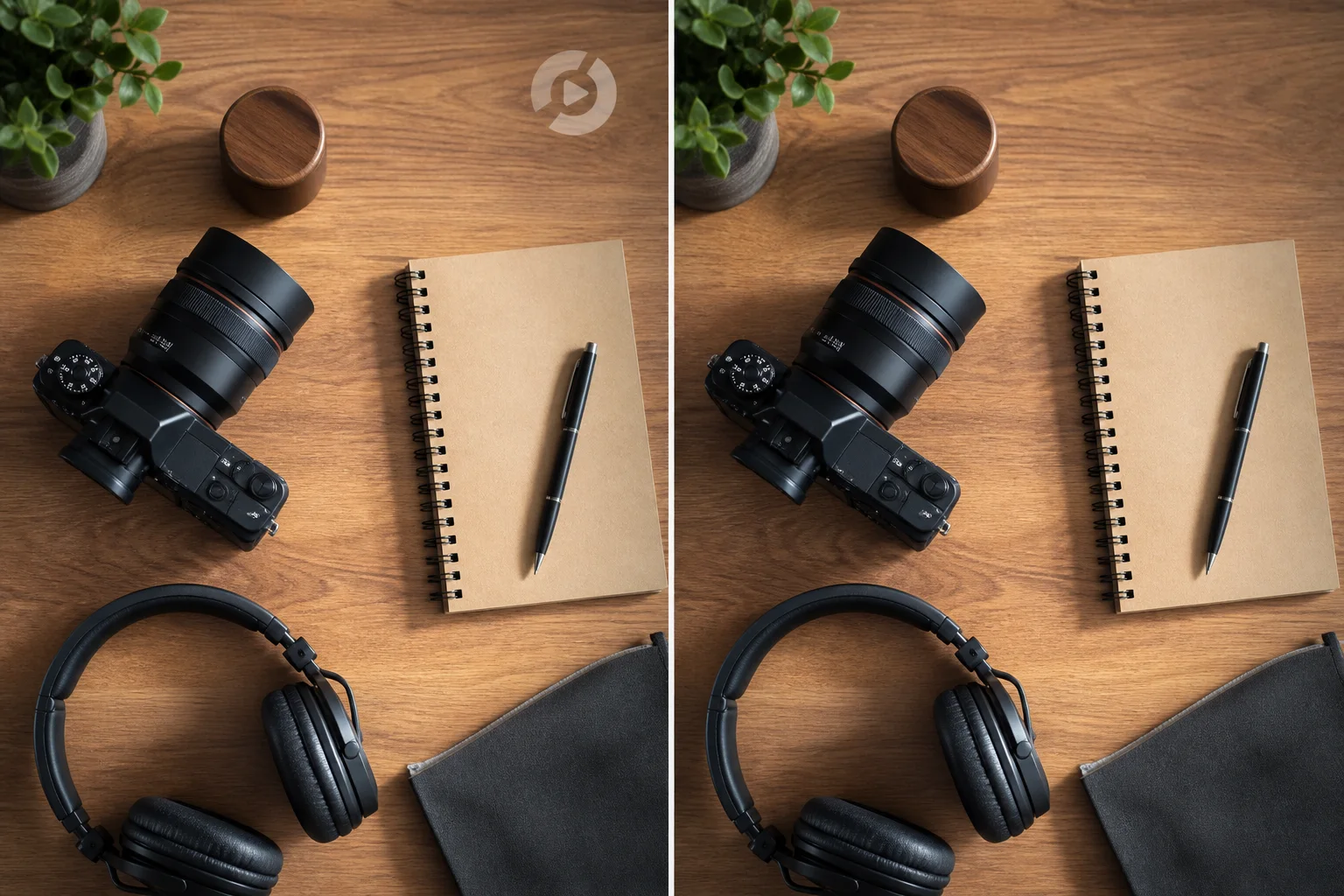
A clean boundary can still feel false when scale, horizon, focus, or light direction conflicts with the new setting. Review the video background remover output as a complete composition and use the remove background video comparison to check whether the subject belongs in the replacement scene.

Watch Compression Erase Hair and Semi-Transparent Edges

Video compression typically discards the fine alpha-like detail around hair strands, fabric edges, and motion-blurred fingers before it visibly softens anything else, because that detail carries little weight in the compression algorithm’s error budget. Once that information is gone, no amount of reprocessing can restore it. Start with the least compressed copy available, since a source that already looks fine at normal viewing size can still be missing exactly the edge detail a clean cutout depends on.

Treat Client Footage as Confidential by Default

Background-removal jobs often involve talent recordings, product shoots, or internal training footage that a client would not want processed through a third-party service without sign-off. Confirm that your agreement with the footage owner actually covers uploading it to an external workspace, not just editing it locally, before you run a background swap on client-supplied video.

Three deliberate passes

Run the Video Background Remover With a Motion Check

A reliable video background remover workflow separates preparation, processing, and review. Inspect the source before you remove background from video, then judge the entire moving result before keeping the export.

1

Inspect the Source and Test Window

Preview the recording from start to finish and note cuts, fast movement, soft focus, changing exposure, reflections, and objects crossing the subject. Select a representative section that includes the most difficult boundary rather than the calmest moment.

2

Choose the Mode and Intended Output

Use the Free workspace for an eligible short test without signing in, or choose Premium when its longer processing and output choices match the job. Start the video background remover only after the destination format and replacement plan are clear.

3

Scrub, Compare, and Download

Watch the result at normal speed, pause around difficult movement, and compare several frames with the source. Use the remove background video review to check duration, edge stability, subject detail, replacement alignment, and playback before downloading or handing the clip to another editor.

Video Background Remover Answers Before You Export

Review the practical limits, source choices, motion checks, and permission questions that matter before a processed clip enters another edit.

Start With the Video Background Remover

Choose a revealing source section, run the video background remover, and keep the export only after the subject remains stable through real movement and the result fits the next editing step.