




Remove Text From Video Without Reframing the Shot

Remove text from video with a free no-login preview. Mark a timestamp, outdated offer, or flattened title and inspect the covered area without cropping the composition.

Drag and drop a video here, or choose a file to open the editor.

MP4MOVAVIMKVWEBM

Maximum file size: 100MB

Explore the toolkit

All Tools

Jump straight into a focused workspace for removing distractions, replacing backgrounds, or improving video quality.

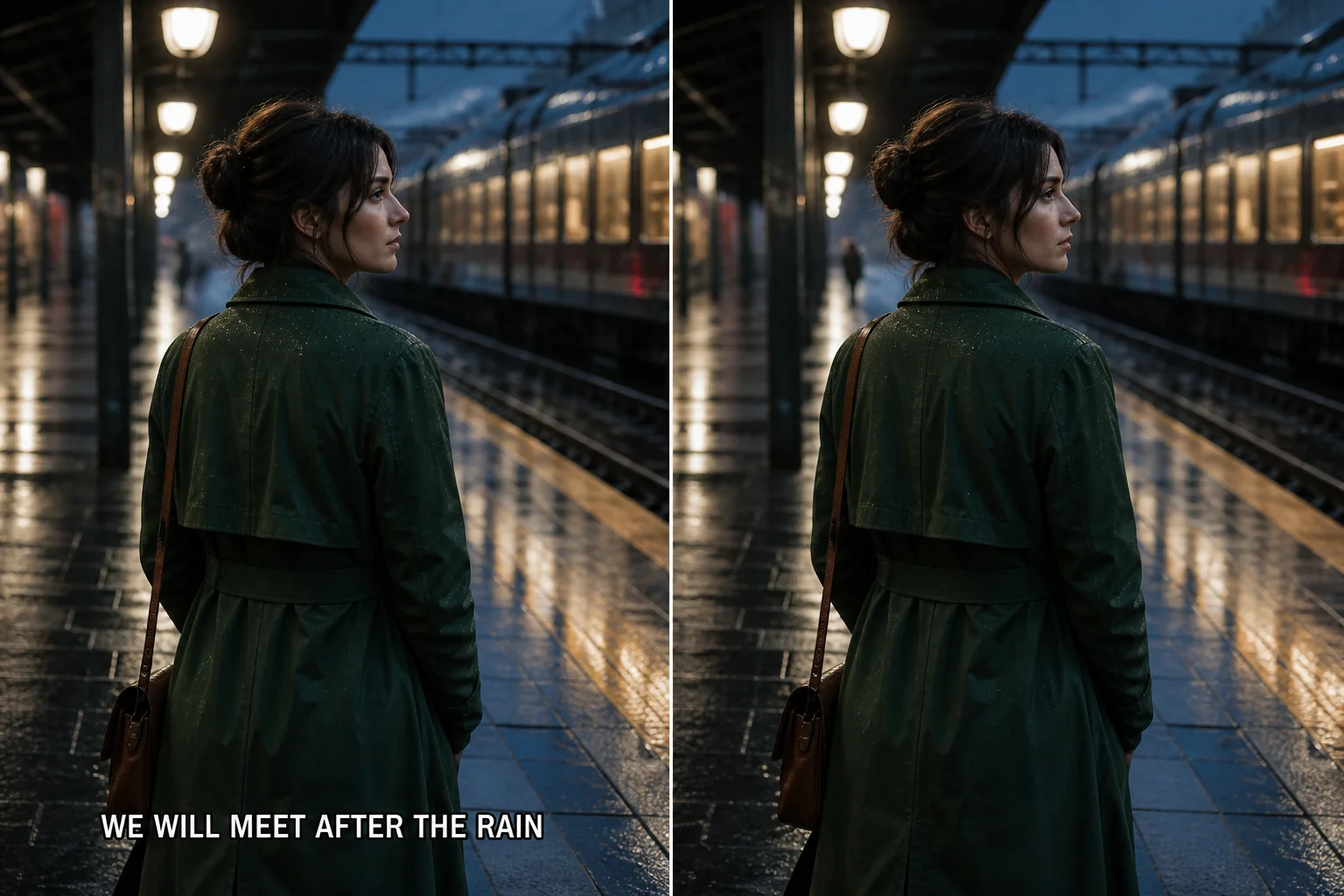
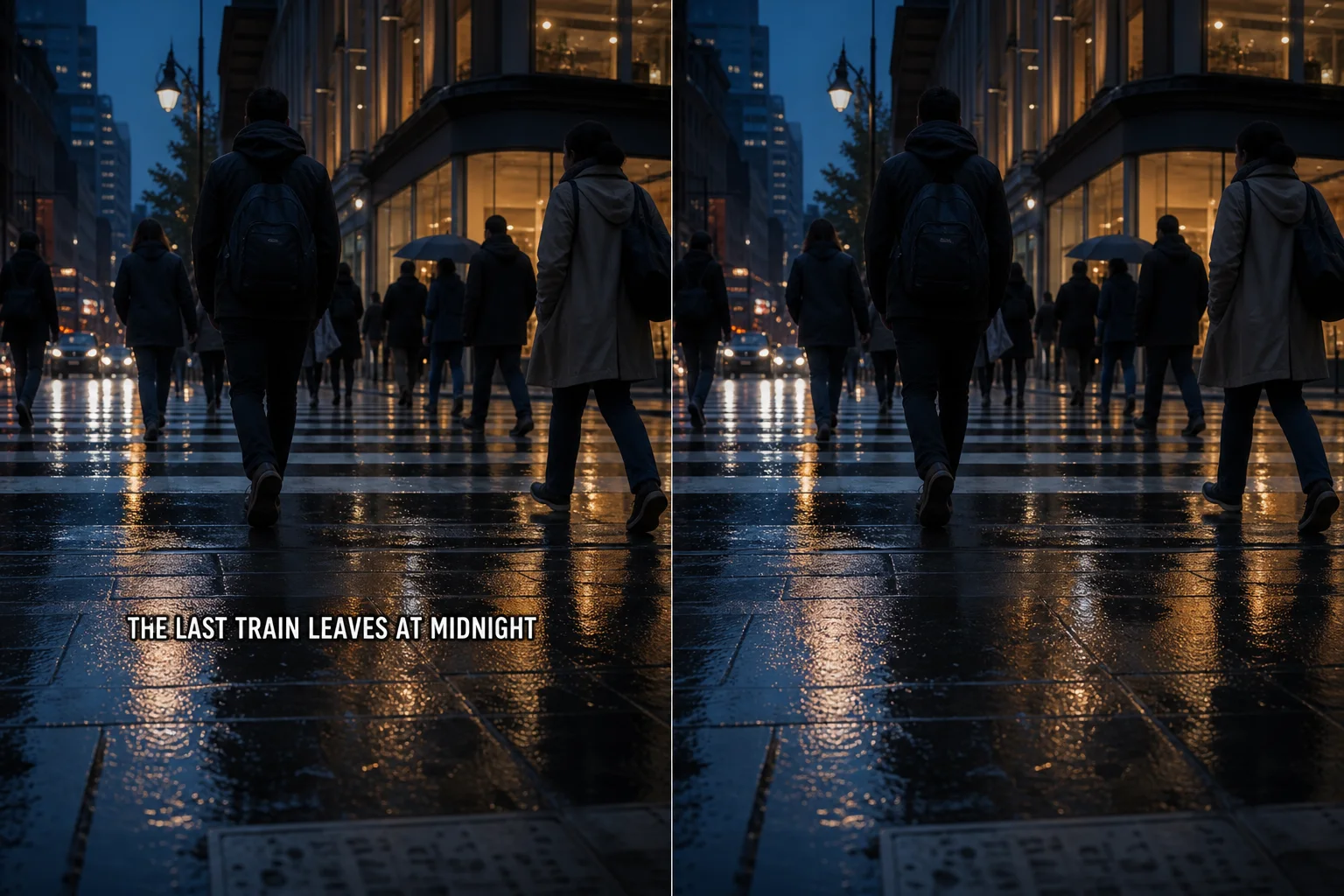
Check Timestamps, Offer Labels, and Flattened Titles

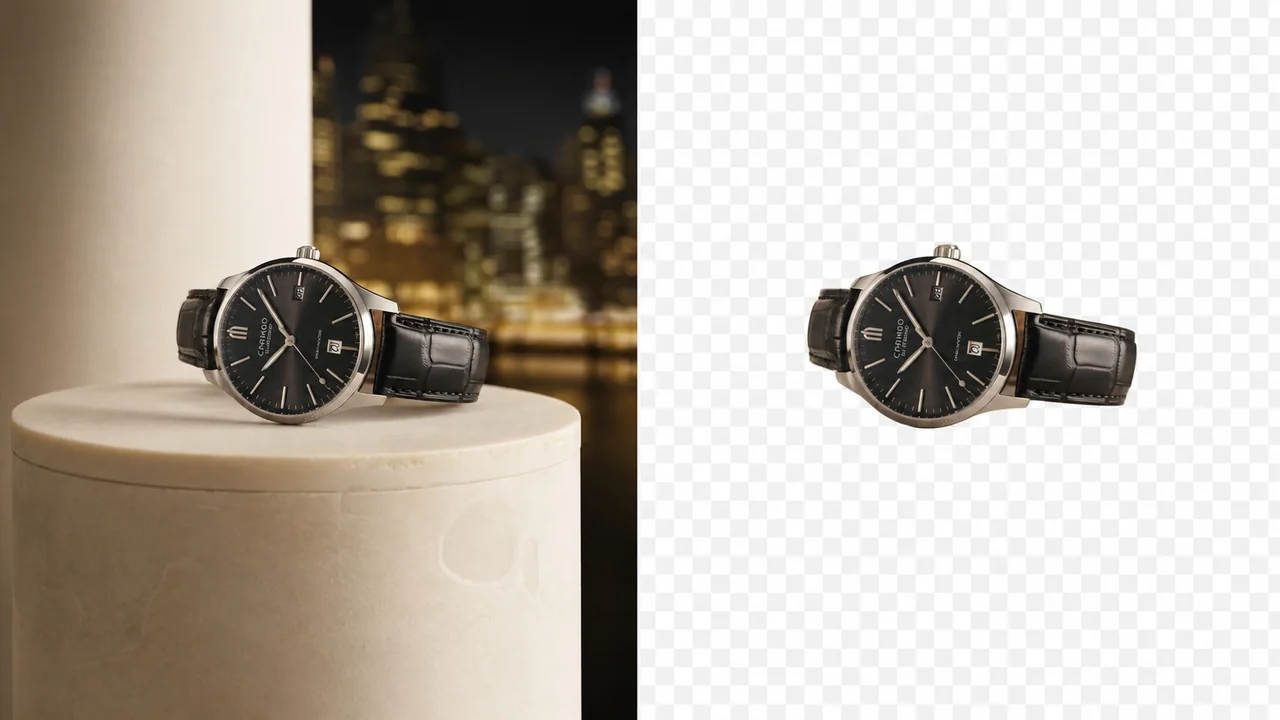
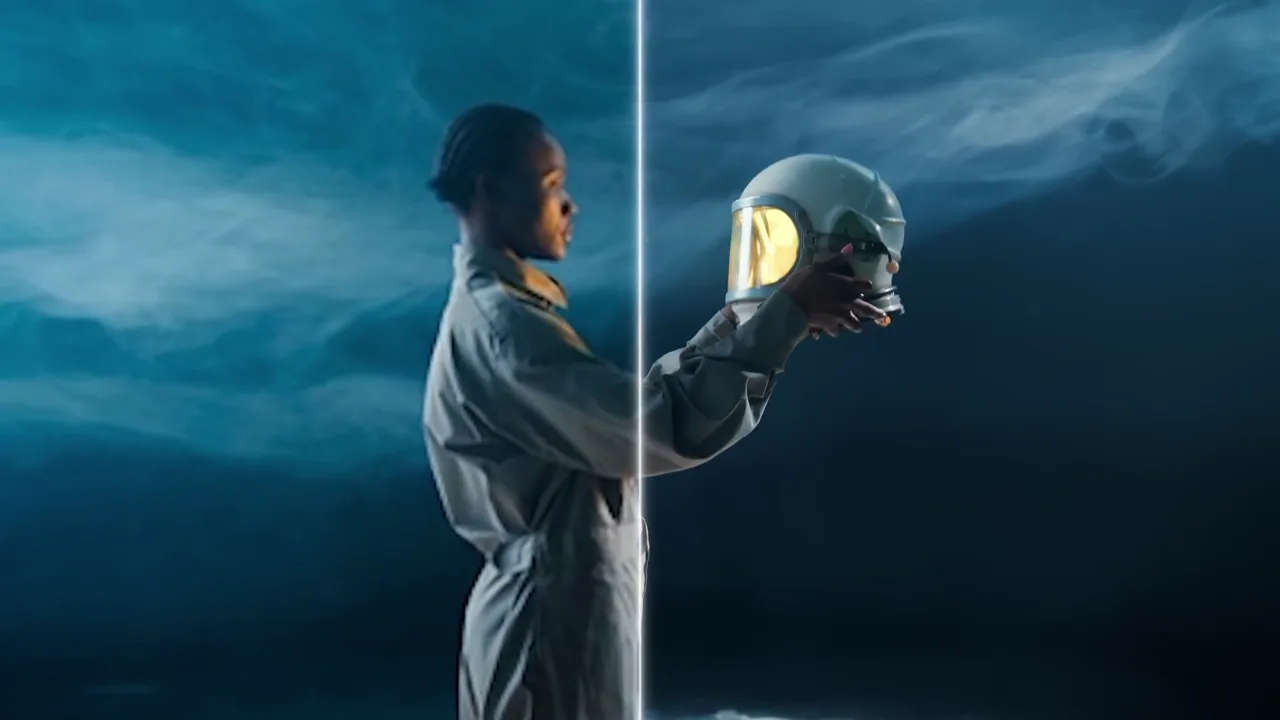
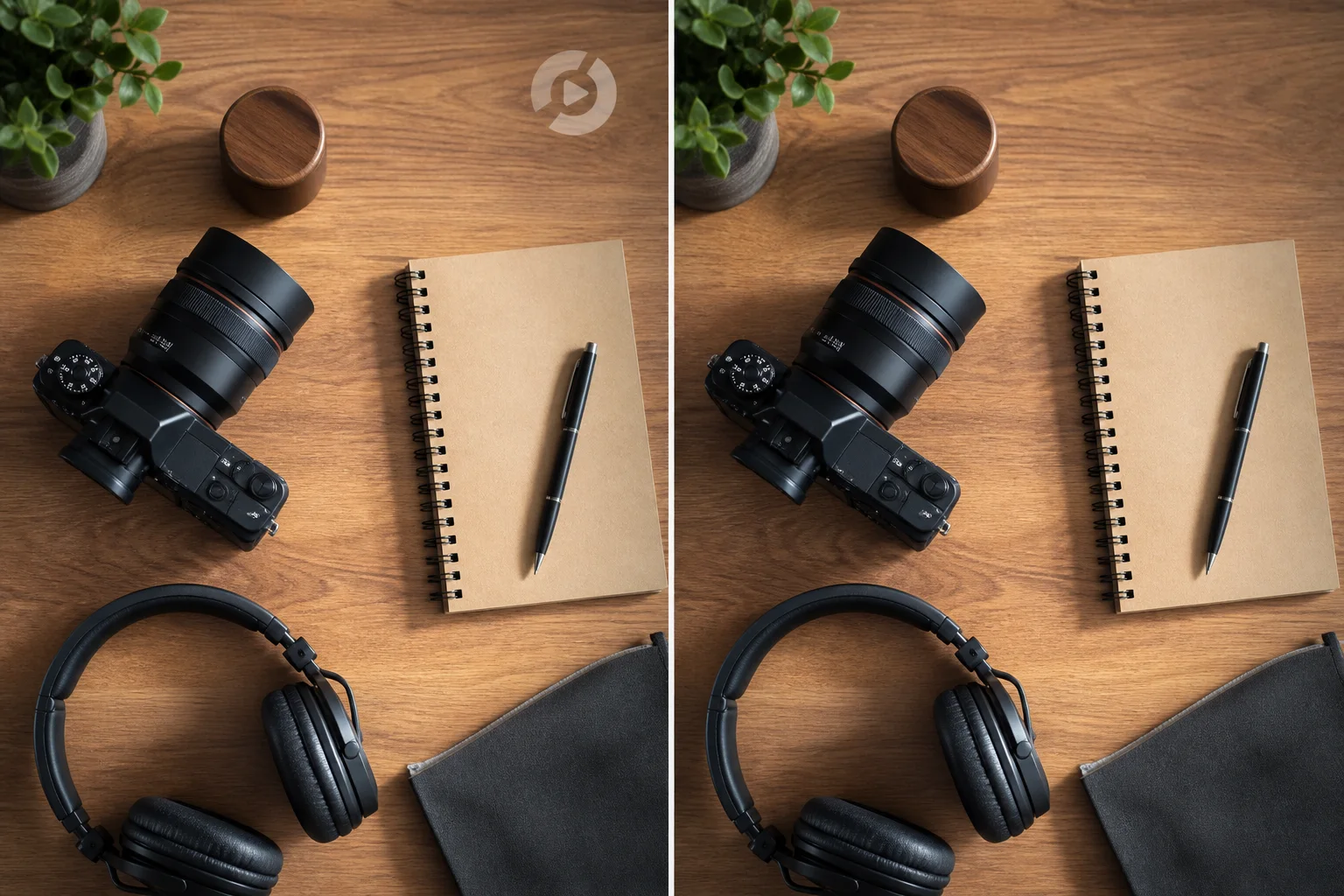
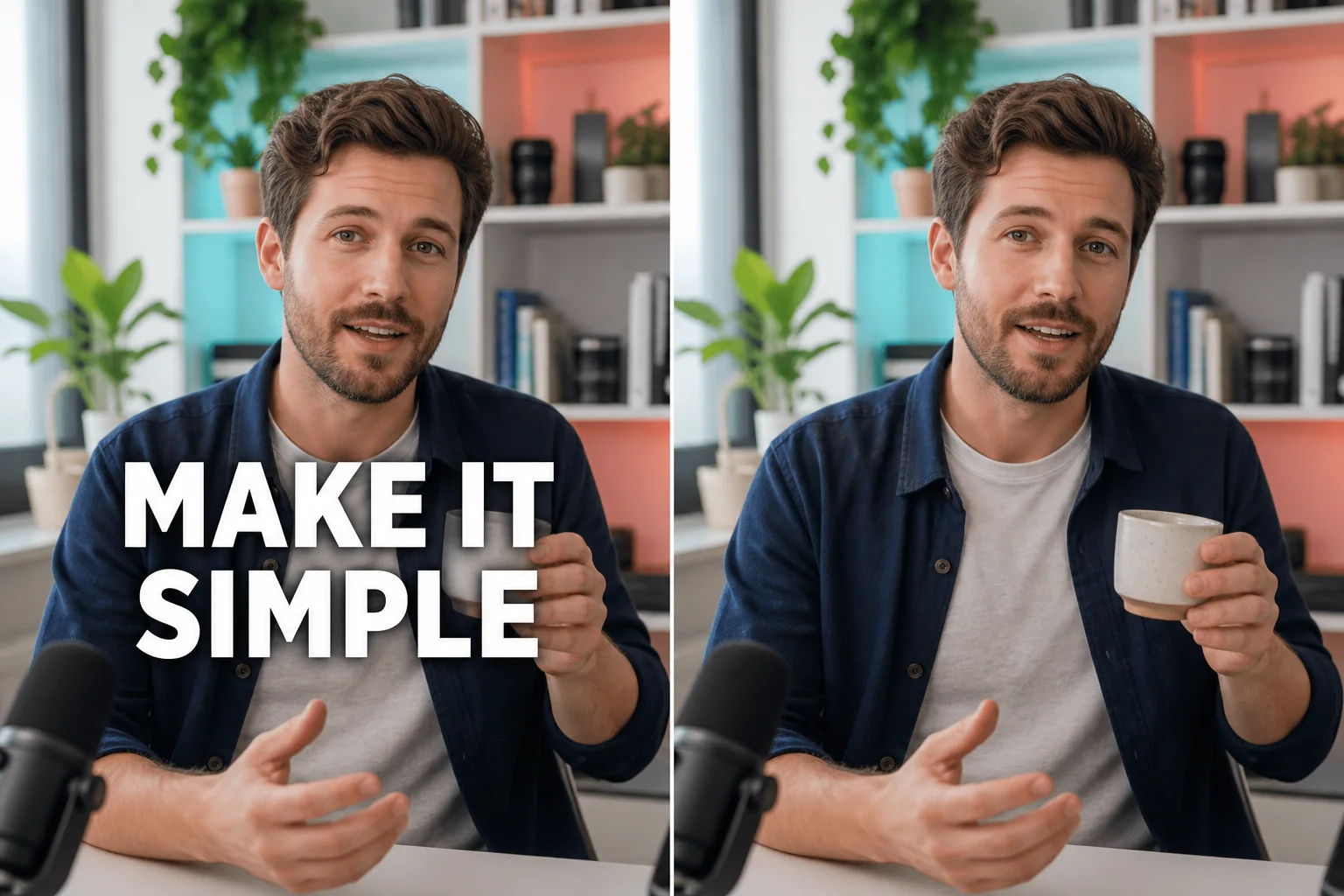
Different overlays hide different parts of a shot, and each needs its own approach before you remove it. These illustrations are layout examples, not measured results; test your own source before deciding whether to remove the overlay at all.

Look for an Editable Layer Before You Remove Pixels

Look for an Editable Layer Before You Remove Pixels

An outdated title, date stamp, or lower-third label may still be editable in the original project, which is the easiest way to remove it. Hide that layer and re-export when possible. If the only source is a flattened clip, inspect the complete text region before painting over it. The illustrated burned-in words show the kind of pixel overlay involved; the workspace does not recover a lost title layer or read a timestamp as editable text before you remove it.

Remove an Offer Label Without Cropping the Composition

Remove an Offer Label Without Cropping the Composition

An expired discount, price label, or event callout can make an otherwise useful product shot outdated, and the fastest way to remove it without losing the shot is to crop nothing. Check whether the offer includes a colored badge, box, or shadow as well as letters. Mark only the treatment you want to remove, and protect genuine packaging text nearby. Compare reflections and straight edges; reconstructing the covered region does not restore the original product details.

Stress-Test a Wider Field of Repeated Words

Stress-Test a Wider Field of Repeated Words

A repeated overlay covers more of the recorded picture than a small date stamp, so you cannot remove it with one small mask. Inspect every affected position and the detail between words before attempting a wide selection. If the letters overlap a face, serial number, or important label, a plausible fill cannot establish the exact hidden information. Prefer a clean source when removing the pattern would change the meaning or reliability of the image.

Controls That Help Remove Text From Video Carefully

First identify whether the element you want to remove is an editable title, a timestamp, or a flattened label. The editor repairs selected pixels; it does not understand the wording as an editable text document, so it cannot remove a word by meaning, only by region.

Include Changing Timestamp Digits

A fixed timestamp can change width as its digits update, so a mask sized to remove the first frame may miss a wider digit later. Scrub through the sample to check the full date, clock, separators, and outline. Paint the complete visible stamp while leaving nearby scene detail alone. The output is a visual edit, not an authenticated correction of the recorded time; retain the untouched source when timing matters, in case you need to remove the wrong repair and start again.

Compare Manual and Automatic Removal

Auto Remove can be a practical first attempt when the overlay is easy to detect, while Manual Paint gives direct control over the area you remove. Test both modes on the same video section when possible. Keep the method that removes the intended words without changing picture detail that should remain, and remove the weaker candidate before moving on.

Check Labels When They Appear and Disappear

A promotional banner may fade in, hold, then disappear while the camera keeps moving, and you need to remove it across all three states, not just the held frame. Include all three states in a test clip. If only the text is selected for removal, its colored box may remain; if the box is selected too broadly, removing it may disturb the product. Compare both choices against the original rather than approving a blank moment.

Inspect Motion Consistency

Play the clip with the overlay removed at normal speed, then pause near a timestamp update, a title fade, or a camera cut. Look for doubled edges, smeared product lettering, and stationary patches over moving scenery. The useful result is the one that preserves the rest of the shot after you remove the overlay, not the one with the sharpest isolated frame.

Watch for Color Blocking Around Small Letters

Low-bitrate video loses the fine edge detail around small timestamp digits and thin labels before it loses anything else, so a compressed source can show a flat color block where a letter should be. That blocking makes it harder to tell where the real text edge ends and the video artifact begins, which leads to an oversized mask. Start from the least-compressed authorized copy so the tool has real letterforms to read instead of guessing from a blurred patch.

Match Authorization to the Kind of Text

Removing words from footage you do not own or are not allowed to edit is not solved by a technical repair. A timestamp on a personal clip, a licensed stock caption, and a client-supplied product label each carry different rules about what may be removed before publishing. Confirm which situation applies before you remove text from video that was not entirely yours to edit, and keep the permission record with the final delivery so anyone reviewing it can see exactly what was removed.

Four-stage repair check

How to Remove Text From Video and Review the Result

Prepare the best source, identify the words you want to remove, process a revealing preview, and approve the complete video only after the area where you removed them remains stable through playback.

1

Upload an Authorized Source

Look for the editable title or graphic layer in your source project before trying to remove anything from a flattened export. If it is unavailable, use the clearest authorized clip and retain an untouched copy. For dialogue subtitles, check whether a separate track can be disabled or removed instead.

2

Choose a Mode and Mark the Words

Use Manual Paint for a controlled mask or try Auto Remove when detection suits the overlay. Cover the visible letters, outline, and shadow without extending into unrelated subjects. If the text moves, test every important position instead of assuming one fixed region will remove it automatically.

3

Process and Compare a Preview

Use a short test that includes a timestamp digit change or the appearance and disappearance of the label you want to remove. Prepare that sample in an external editor if the difficult moment falls outside the available preview interval. Compare the region where you removed the overlay against neighboring text, lines, and reflections at matching timestamps.

4

Review the Full Export Before Download

Review the displayed full-video requirements before proceeding. After downloading, watch the entire file and compare duration, audio, and orientation with the source. Keep version notes so a clip with the overlay removed cannot be confused with an untouched recording, and remove any draft that does not meet the bar.

Remove Text From Video Questions Before You Export

Use these answers to identify the right source, choose a method to remove the overlay, and decide whether the clip is ready for another edit once the label is removed.

Remove Text From Video With a Focused Preview

Test the timestamp, label, or title that matters to your edit, and remove only the treatment you actually need gone. Keep the original and approve a copy with the overlay removed only when surrounding detail and playback remain usable.